

The Story Behind Nepal’s Himalayan Tea
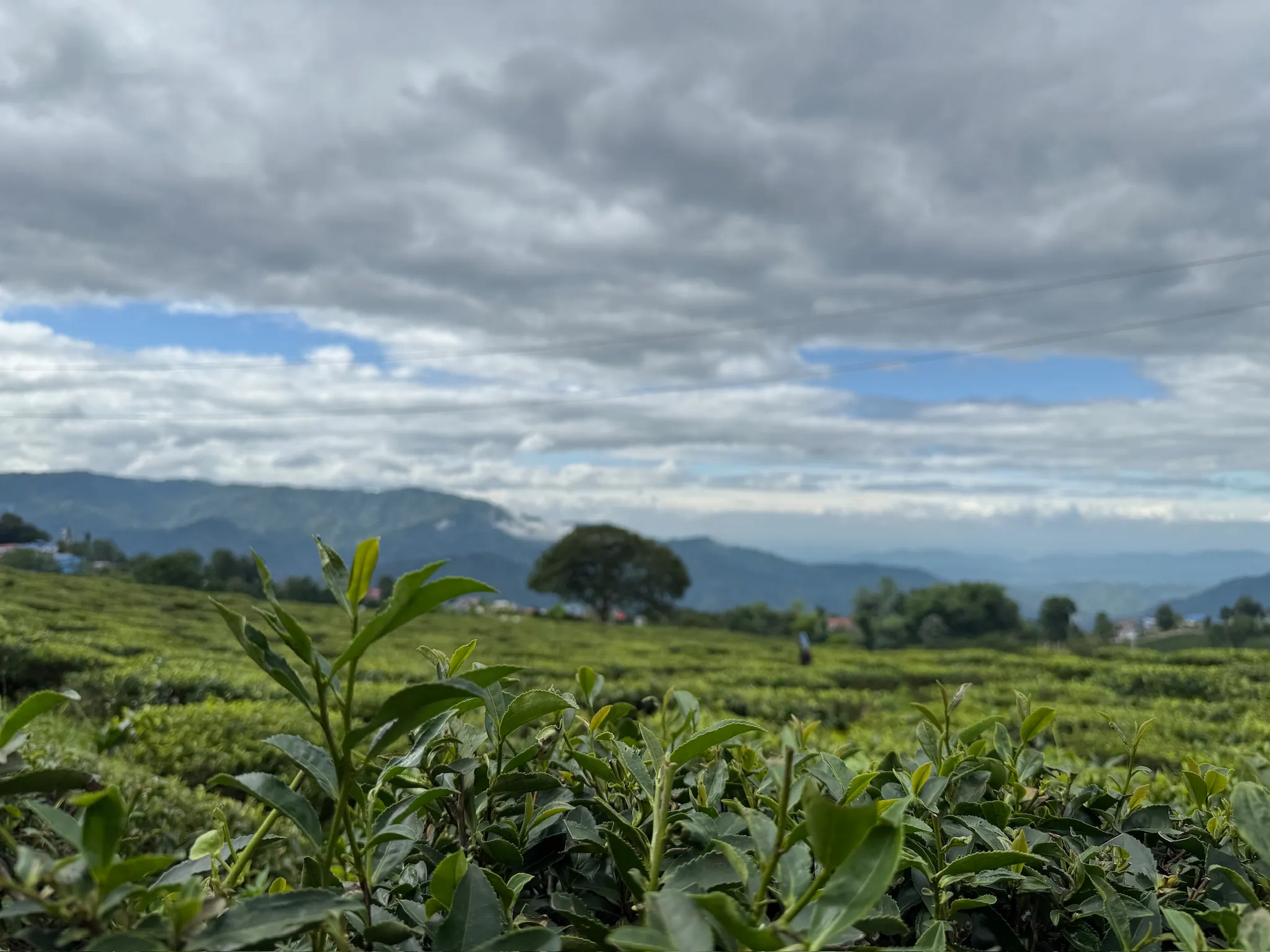
When people talk about Nepalese tea, Ilam tea is often one of the first names that comes to mind. Nestled in the eastern hills of Nepal, Ilam is known for its beautiful tea gardens, cool mountain climate, high elevations, and distinctive orthodox tea production.

But what makes Ilam tea special? Is it simply the location, or is there more behind its reputation?
The answer lies in a combination of altitude, climate, soil, traditional tea production, and the character of the tea leaves themselves.
Altitude
Climate
Soil
character of the tea leaves
Where Is Ilam?
Ilam is a hill district in eastern Nepal, close to the country’s border with India. Its landscape is characterized by rolling hills, forests, streams, and extensive agricultural areas.
Among its best-known agricultural products is Nepalese orthodox tea. The hills of Ilam provide conditions that are well suited to growing tea. Many tea gardens are located at relatively high elevations, where cooler temperatures and changing weather conditions allow tea plants to develop more gradually.
This slower growth can contribute to complex flavors and aromas in the finished tea.
How Did Tea Become Important in Ilam?
Tea cultivation in Nepal has a long history, and Ilam became one of the country’s important tea-producing areas. The establishment of tea cultivation in Ilam dates back to the 19th century. Over time, tea farming expanded across the eastern hills, and the region developed a reputation for producing specialty teas.
Today, tea is an important part of the agricultural economy and cultural identity of eastern Nepal. Ilam’s tea gardens are also an important part of the region’s tourism appeal. Visitors are drawn to the distinctive landscape of tea-covered hills, particularly during the growing seasons when the gardens are lush and vibrant.
What Makes Ilam’s Climate Suitable for Tea?
Tea plants generally prefer warm and humid conditions, but the quality and characteristics of tea can be influenced by the specific environment in which the plants grow. Ilam’s mountainous terrain creates a combination of:

- Cool temperatures
- Regular rainfall
- Mist and cloud cover
- Mountain slopes
- Seasonal temperature variation
- Different elevations and microclimates
These conditions can influence how tea plants grow and how their leaves develop. The concept of terroir is often used when discussing specialty agricultural products. It describes how factors such as climate, soil, elevation, and geography can influence the characteristics of a crop. For tea, this means that leaves grown in different regions can produce noticeably different aromas, flavors, textures, and appearances.
Does Higher Altitude Make Tea Better?
Not necessarily. This is an important distinction. Higher altitude is often associated with premium tea because cooler conditions can slow the growth of tea plants. However, altitude alone does not determine tea quality. Cultivar, soil, weather, harvesting practices, leaf quality, processing, oxidation, drying, and storage all matter.
This is why two teas grown at similar elevations can still taste completely different. Ilam’s reputation comes from the combination of its environment and the way tea is cultivated and processed—not simply from a number representing elevation.
What Is Orthodox Tea?
One of the reasons Ilam is particularly interesting to tea enthusiasts is its association with orthodox tea production. Orthodox tea is generally produced using traditional processing methods that preserve the structure of the tea leaves to a greater degree than CTC (Crush, Tear, Curl) processing. Depending on the type of tea being produced, orthodox processing can involve stages such as:
- Plucking
- Withering
- Rolling
- Oxidation
- Drying
- Sorting and grading
The exact process varies according to the type and style of tea being produced. The result can be a tea with distinctive leaf appearance, aroma, and flavor. For people who enjoy exploring specialty tea, this makes Nepalese orthodox tea particularly interesting.
What Does Ilam Tea Taste Like?
There isn’t one single flavor profile that represents every Ilam tea. That’s because tea from Ilam can vary significantly depending on:
- Elevation
- Tea cultivar
- Harvest season
- Plucking standard
- Processing method
- Oxidation level
- Grade
- Storage conditions
Depending on the tea, you may encounter floral aromas, fruity notes, honey-like sweetness, maltiness, astringency, or a clean and refreshing finish. Some teas can be delicate and aromatic, while others can be richer and more robust. This variety is part of what makes exploring Ilam tea interesting.
Why Is Ilam Tea Considered a Himalayan Tea?
Ilam lies within Nepal’s eastern Himalayan region, and its tea gardens are spread across mountainous terrain. The phrase Himalayan tea is often used to describe teas produced in the mountainous regions of Nepal and neighboring areas. However, “Himalayan” does not automatically mean that tea was grown at extremely high Himalayan elevations.
Tea cultivation requires a suitable combination of climate and conditions, and commercial tea gardens are generally located in areas where the environment supports tea plants. The Himalayan landscape nevertheless plays an important role in the identity and story of Nepalese tea.
Ilam Tea and Nepal’s Tea Heritage
Tea is more than an agricultural product in Ilam. Tea gardens have become part of the region’s identity, landscape, and economy. Generations of farmers and workers have contributed to the development of Nepal’s tea industry.
The tea industry also connects Nepal’s mountain agriculture with consumers around the world. Nepalese tea has traditionally had a strong export orientation, with specialty teas finding markets outside the country. But there is also an opportunity to make more high-quality Nepalese tea accessible to people within Nepal.
Why Is Ilam Tea Becoming Popular in Nepal?
For a long time, some of Nepal’s best teas were more visible in international markets than in the domestic market. That is gradually changing. Nepalese consumers are becoming more interested in:
- Specialty tea
- Single-origin products
- Locally produced food and beverages
- Premium orthodox tea
- Tea tasting and brewing
- The story behind agricultural products
This creates an opportunity for Nepali tea brands to introduce consumers to the diversity of tea produced in their own country.
Discover Ilam Tea With Keshar Leaf
At Keshar Leaf, our goal is to make authentic Nepalese tea more accessible to tea drinkers in Nepal. Our teas are sourced from Nepal’s tea-growing regions, including Ilam, and selected to showcase the character of Nepalese orthodox tea.
Whether you prefer the depth of orthodox black tea, the freshness of green tea, or want to explore other styles, the best way to understand Nepalese tea is to experience it yourself.
Explore the Keshar Leaf tea collection and discover the flavors of Nepal’s highlands, one cup at a time.
Frequently Asked Questions About Ilam Tea
Is Ilam famous for tea?
Yes. Ilam is one of Nepal’s best-known tea-producing regions and has a long history of tea cultivation. Its mountainous terrain, climate, and established tea-growing industry have contributed to its reputation for Nepalese tea.
What type of tea is produced in Ilam?
Ilam produces several types of tea, including orthodox black tea, green tea, and other specialty tea styles. The exact characteristics depend on the cultivar, elevation, harvest, and processing method.
Why is Ilam tea different?
Ilam tea can have distinctive characteristics because of the combination of its geography, climate, elevation, cultivation practices, and processing methods. Different teas from Ilam can have very different flavor profiles.
Is Ilam tea the same as Darjeeling tea?
No. Ilam tea and Darjeeling tea come from different regions and are produced under different geographical and agricultural conditions. They may share some similarities because of their Himalayan-region origins, but they are not the same tea.
Is Ilam tea good for everyday drinking?
Yes. Many orthodox black and green teas from Ilam can be enjoyed as everyday teas. The ideal choice depends on your preferred strength, aroma, and flavor profile.
Where can I buy Ilam tea in Nepal?
Ilam tea is available through Nepalese tea producers, specialty tea brands, retailers, and online stores. Keshar Leaf offers selected Nepalese teas for customers looking to experience authentic Himalayan tea at home.
Final Thoughts
Ilam’s reputation as a tea-producing region isn’t based on one factor. It comes from the mountain environment, climate, tea-growing heritage, farming practices, and careful processing that come together to create distinctive Nepalese teas.
For tea lovers, Ilam offers something particularly interesting: the chance to explore specialty tea from the Himalayan landscape without looking beyond Nepal. And sometimes, the best way to understand what makes Ilam tea special isn’t to read about it. It’s to brew a cup.
Discover the taste of Nepal’s highlands with Keshar Leaf.
Nice