


If you enjoy tea, you may have noticed that some teas contain larger, twisted leaves while others look like small granules or particles. This difference is closely related to how tea leaves are processed.
Two of the most widely known tea-processing styles are orthodox tea and CTC tea. Both are made from the same tea plant, Camellia sinensis, but their processing methods produce noticeable differences in leaf appearance, extraction, flavor, aroma, brewing time, and common uses.
So, what is the difference between orthodox tea and CTC tea? Is orthodox tea better than CTC tea? And which one should you choose?
The short answer is simple:
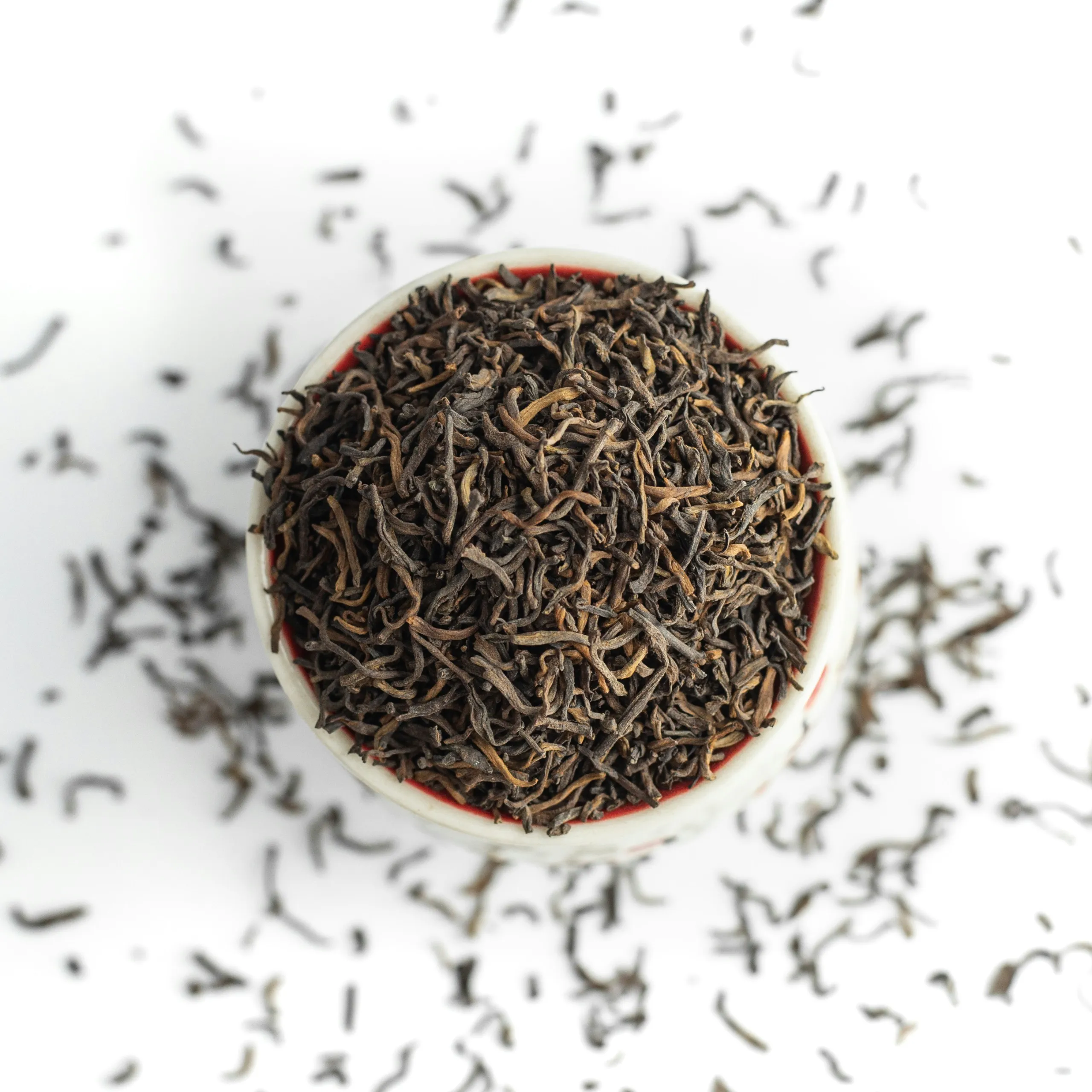
Orthodox tea generally preserves more of the leaf’s structure, while CTC tea mechanically crushes, tears, and curls the leaves into smaller particles for faster extraction.
Let’s look at the differences in detail.
Orthodox Tea vs CTC Tea at a Glance
| Feature | Orthodox Tea | CTC Tea |
|---|---|---|
| Processing | Traditional-style processing | Crush, Tear, Curl |
| Leaf appearance | Whole or larger leaf pieces | Small granules or particles |
| Extraction | Generally slower and more gradual | Generally faster |
| Flavor | Often nuanced and aromatic | Often bold, brisk, and robust |
| Aroma | Can be complex and distinctive | Often strong and direct |
| Common use | Loose-leaf and specialty tea | Milk tea, tea bags, everyday tea |
| Typical brewing style | Often enjoyed with little or no milk | Commonly prepared with milk and sugar |
These are general characteristics rather than strict rules. Tea quality depends on much more than whether a tea is orthodox or CTC. Growing region, cultivar, harvest, leaf quality, processing, storage, and brewing all influence the final cup.
What Is Orthodox
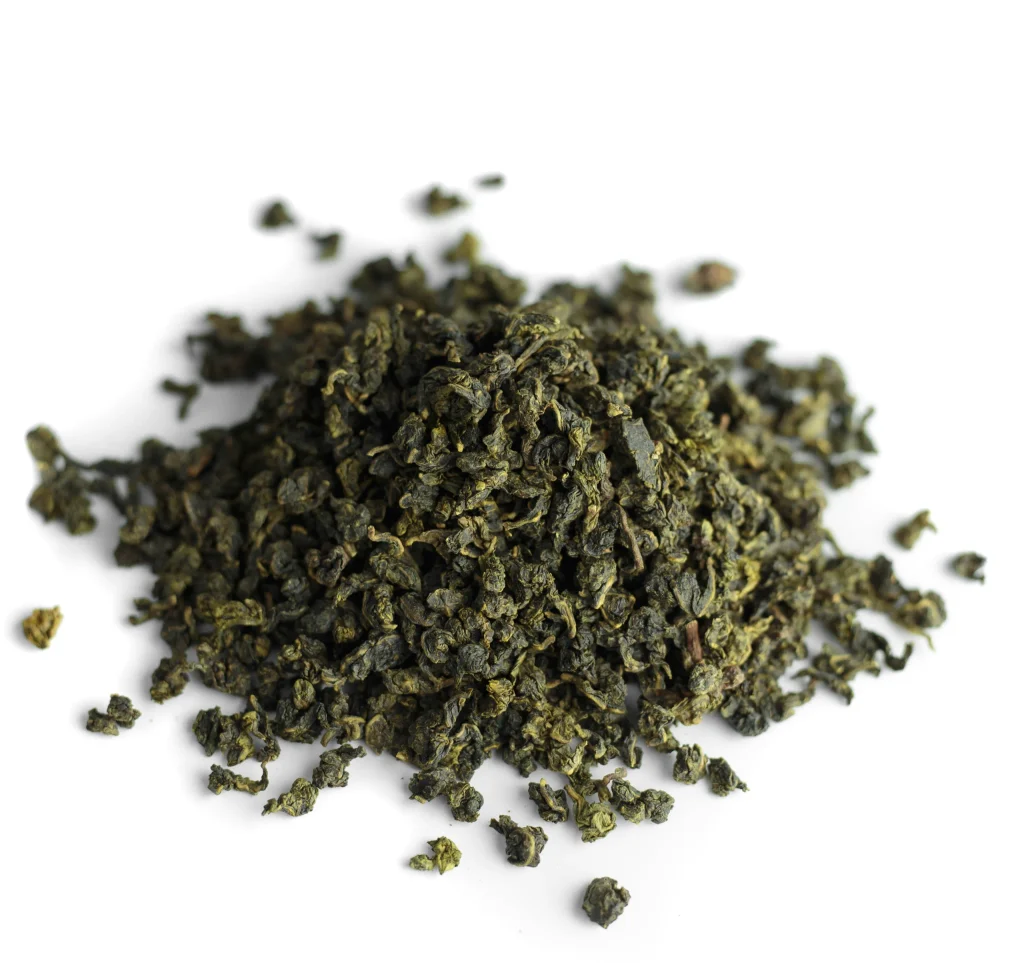
Orthodox tea is traditionally produced using methods that allow the tea leaves to remain relatively whole during processing. Nepal’s tea industry includes both orthodox and CTC production.
Depending on the type of tea being produced, orthodox processing can include:
- Plucking
- Withering
- Rolling
- Oxidation
- Drying
- Sorting and grading
The finished leaves may remain whole or relatively large, although their exact appearance depends on the tea, grade, and production method.
Because orthodox processing can preserve recognizable leaf shapes and allows considerable variation in processing, it is commonly associated with specialty and loose-leaf teas.
If you want to learn more about the production method, see our guide to what orthodox tea is and how it is made.
What Is CTC Tea?
CTC stands for Crush, Tear, Curl.
Unlike orthodox processing, CTC production uses machinery to crush, tear, and curl prepared tea leaves into small, relatively uniform particles.
The result looks very different from traditional loose-leaf orthodox tea. CTC particles generally have more surface area exposed to hot water, which helps them release color and flavor quickly.
CTC tea is particularly popular in places where people enjoy strong, brisk tea, especially tea prepared with milk and sugar.
This makes CTC a practical choice for a quick, robust cup of everyday tea.
What Is the Difference Between Orthodox and CTC Tea?
The biggest difference is the way the tea leaf is processed.
Orthodox processing generally aims to preserve more of the leaf’s structure. CTC processing deliberately breaks the leaf down into smaller particles through crushing, tearing, and curling.
That processing difference influences how the tea behaves in the cup.
1. Leaf Appearance
Orthodox tea may contain whole leaves or larger pieces that retain recognizable shapes.
CTC tea consists of much smaller particles, often resembling granules.
This makes the two styles easy to distinguish visually, particularly when comparing loose-leaf orthodox tea with CTC tea.
2. Brewing Speed
CTC tea generally extracts more quickly because its smaller particles expose more surface area to hot water.
Orthodox tea can extract more gradually, depending on the leaf size, tea type, water temperature, and brewing time.
3. Flavor
CTC tea is often associated with a strong, brisk, robust cup.
Orthodox tea can offer a broader range of aromas and flavors, from delicate and floral to malty, fruity, earthy, or complex, depending on the tea.
Neither style automatically produces better flavor. The quality of the raw material and processing matters enormously.
4. Aroma
Orthodox teas are often appreciated for their distinctive aromas and layered sensory characteristics.
CTC teas are commonly valued for a more direct and powerful tea character, especially when brewed strongly.
5. Common Ways to Drink Them
CTC tea is particularly well suited to milk tea, where its strong character can stand up to milk, sugar, spices, and longer brewing.
Orthodox tea is often enjoyed without milk or with only a small amount of milk, allowing its aroma and flavor to remain more noticeable.
However, there are no hard rules. You can drink either style however you like.
How Is Orthodox Tea Processed?
Understanding the production process helps explain why orthodox tea often looks different from CTC tea.
1. Plucking
Tea leaves and buds are harvested from the tea plant. The maturity and quality of the leaves selected can influence the finished tea.
2. Withering
Freshly harvested leaves contain a significant amount of water. During withering, the leaves lose moisture and become more flexible for further processing.
3. Rolling
The leaves are rolled to break down their internal structure and encourage chemical reactions that influence flavor and aroma. Rolling also helps shape the leaves.
4. Oxidation
Depending on the type of tea, the leaves may undergo controlled oxidation.
For example, black tea undergoes substantial oxidation, while green tea is processed to minimize oxidation.
5. Drying
The leaves are dried to reduce moisture and stabilize the finished tea.
6. Sorting and Grading
After drying, tea may be sorted and graded according to leaf size, appearance, and other characteristics.
The finished orthodox tea may retain recognizable leaf shapes rather than the small particles associated with CTC tea.
How Is CTC Tea Made?
CTC tea follows a more mechanical processing approach.
After the leaves are prepared, specialized machinery crushes, tears, and curls them into small particles.
Because these particles are relatively small, they can interact with hot water quickly. This contributes to the strong color and brisk flavor for which CTC tea is commonly known.
That makes CTC particularly useful when you want a strong cup of tea without a long brewing time.
Does Orthodox Tea Taste Better Than CTC Tea?
Not necessarily.
“Better” depends on what you want from your tea.
You may prefer orthodox tea if you enjoy:
- Distinctive aromas
- Nuanced flavors
- Loose-leaf brewing
- Tea without much milk or sugar
- Exploring teas from different regions
You may prefer CTC tea if you want:
- A strong, brisk cup
- Fast extraction
- Milk tea
- Sugar and spices
- A consistent everyday brew
The important point is that processing style is not a quality ranking.
A high-quality CTC tea can be an excellent tea, just as a high-quality orthodox tea can be excellent. The two styles are designed and processed differently.
Why Does CTC Tea Often Produce a Stronger Cup?
CTC tea particles are relatively small and provide a large surface area for contact with hot water.
This allows tea compounds to be extracted quickly, producing a strong-colored and brisk infusion.
That characteristic is one reason CTC tea is widely used for milk tea.
When milk, sugar, or spices are added, a stronger tea base helps the tea flavor remain prominent.
Orthodox Tea vs CTC Tea for Milk Tea
If you enjoy traditional milk tea, CTC tea is often the more practical choice.
Its strong character can stand up well to:
- Milk
- Sugar
- Spices
- Longer boiling
- Stronger brewing
Orthodox black tea can also be prepared with milk. However, delicate aromas and nuanced flavors may become less noticeable when combined with substantial amounts of milk, sugar, or spices.
If you enjoy tea with little or no milk, an orthodox black tea can be a good way to explore the character of the leaves.
Orthodox Tea vs CTC Tea for Black Tea Drinkers
If you drink black tea without milk or sugar, orthodox tea gives you more opportunity to explore the tea’s natural characteristics.
When tasting an orthodox black tea, pay attention to:
- Aroma
- Body
- Sweetness
- Astringency
- Aftertaste
- Leaf appearance
A good Nepalese orthodox black tea can offer a very different experience from a strong CTC breakfast-style tea.
This is especially interesting if you want to compare teas from different growing regions and harvests.
What Makes Nepalese Orthodox Tea Special?
Nepal is known for producing specialty orthodox teas, particularly in its eastern tea-growing regions.
Ilam is one of Nepal’s best-known tea-producing areas. Its mountainous environment, climate, elevation, and tea-growing heritage have helped make Ilam an important part of Nepal’s tea identity.
Nepalese orthodox teas can vary considerably between tea gardens, harvests, cultivars, grades, and processing styles.
That variation is part of what makes exploring Nepalese tea interesting.
If you want to learn more about the region, read Why Is Ilam Tea Famous? The Story Behind Nepal’s Himalayan Tea.
How Should You Brew Orthodox Tea?
Orthodox tea generally benefits from careful brewing.
As a starting point for orthodox black tea:
- Use around 2–3 grams of tea per cup
- Use hot water
- Brew for approximately 3–5 minutes
For green tea, slightly cooler water and a shorter brewing time can help reduce excessive bitterness or astringency.
These are starting points rather than strict rules. Tea leaf size, grade, water quality, temperature, and personal preference all affect the result.
Experiment with the amount of tea, water temperature, and brewing time until you find the cup you enjoy.
For more guidance, see our how to brew the perfect cup of orthodox tea guide.
Can You Use Orthodox Tea in a Tea Bag?
Yes.
Although orthodox tea is commonly associated with loose-leaf tea, tea bags can also contain orthodox tea.
The important difference is the type and grade of tea used inside the bag. Some tea bags contain fine particles, while others contain larger leaf pieces or specialty tea.
If you want to appreciate the appearance and expansion of larger leaves, however, loose-leaf brewing is usually the better option.
Is Orthodox Tea Healthier Than CTC Tea?
There is not a good basis for claiming that orthodox tea is automatically healthier than CTC tea.
Both are made from Camellia sinensis and can contain naturally occurring compounds such as caffeine and polyphenols.
The characteristics of a cup depend on the tea itself, preparation method, serving size, and individual factors.
So, choose between orthodox and CTC primarily based on taste, brewing style, and personal preference, rather than assuming that one processing method guarantees greater health benefits.
How to Store Orthodox and CTC Tea
Both orthodox and CTC tea should be stored carefully to help preserve their aroma and flavor.
Keep tea:
- In a dry environment
- Away from direct sunlight
- Away from moisture
- Away from strong odors
- In a tightly sealed package
Tea can absorb odors from its surroundings, so avoid storing it next to strongly scented foods and spices.
Good packaging and proper storage are important for maintaining the quality of your tea after purchase.
Which Tea Should You Choose?
There is no single answer to the orthodox tea vs CTC tea question.
Choose based on how you normally enjoy your tea.
Choose Orthodox Tea If You:
- Enjoy loose-leaf tea
- Like exploring different aromas
- Prefer nuanced flavors
- Drink tea without much milk or sugar
- Are interested in specialty tea
- Want to explore teas from different regions
You can start with our orthodox tea collection and explore different Nepalese teas.
Choose CTC Tea If You:
- Prefer strong tea
- Usually drink tea with milk
- Want a quick and robust brew
- Enjoy traditional milk tea
- Prefer a consistent everyday cup
There is also no reason to choose only one. Many tea drinkers enjoy orthodox tea for relaxed tasting and CTC tea for their everyday milk tea.
Orthodox Tea vs CTC Tea: Which One Is Right for You?
| If you prefer… | Consider… |
| Strong, brisk tea | CTC |
| Milk tea | CTC |
| Quick brewing | CTC |
| Loose-leaf tea | Orthodox |
| Complex aromas | Orthodox |
| Nuanced flavors | Orthodox |
| Exploring tea regions | Orthodox |
| A dependable everyday milk tea | CTC |
The best choice is ultimately the tea that matches your taste.
Explore Nepalese Tea With Keshar Leaf
At Keshar Leaf, we focus on bringing the character of Nepalese tea to tea drinkers in Nepal.
Our goal is to make it easier to explore the distinctive character of teas connected to Nepal’s highland tea-growing heritage.
If you are new to specialty tea, start with a Keshar Leaf orthodox tea and compare it with the style of tea you normally drink.
You may find that the difference is not simply about strength.
It can be about aroma, texture, aftertaste, leaf appearance, and the experience of slowing down for your cup of tea.
Explore the Keshar Leaf Tea Collection
Frequently Asked Questions About Orthodox and CTC Tea
Is orthodox tea stronger than CTC tea?
Not necessarily. CTC tea often produces a stronger and faster infusion because its smaller particles have greater surface area exposed to water. Orthodox tea can also be strong depending on the tea, leaf grade, and brewing method.
Which is better, orthodox or CTC tea?
Neither is universally better. Orthodox tea may suit people who enjoy aroma, nuanced flavors, and loose-leaf brewing, while CTC tea is often preferred for strong milk tea and quick brewing.
What does CTC mean in tea?
CTC means Crush, Tear, Curl. It describes a mechanical tea-processing method in which prepared tea leaves are crushed, torn, and curled into smaller particles.
Is Darjeeling tea orthodox tea?
Much of the specialty tea associated with Darjeeling is produced using orthodox methods. However, a tea should not be classified solely by its geographic origin. The processing method determines whether a particular tea is orthodox or CTC.
Is Ilam tea orthodox or CTC?
Ilam produces both orthodox and other types of tea. Check the specific product and its processing method rather than assuming that every tea from Ilam is orthodox.
Learn more about Ilam tea and Nepal’s Himalayan tea heritage.
Can I drink orthodox tea with milk?
Yes. Orthodox black tea can be enjoyed with milk. However, many people prefer specialty orthodox teas without milk so they can better appreciate their natural aromas and flavors.
Is CTC tea only for milk tea?
No. CTC tea can be consumed without milk as well. Its strong and brisk character, however, makes it particularly popular for milk tea.
Is CTC tea the same as black tea?
No. CTC describes a processing method, while black tea describes a type of tea based largely on its oxidation process. CTC tea is commonly used to make black tea, but the terms do not mean the same thing.
Does whole-leaf tea mean it is always orthodox?
Not automatically. “Whole leaf” describes the physical form of the tea, while orthodox refers to a traditional-style processing approach. The terms are related but should not be treated as exact synonyms.
Final Thoughts
The difference between orthodox tea and CTC tea ultimately comes down to how the tea leaves are processed and the drinking experience you prefer.
Orthodox tea generally preserves more of the leaf’s structure and can offer a wide range of aromas, flavors, and appearances.
CTC tea breaks the leaves into smaller particles, allowing faster extraction and producing the bold, brisk character many people enjoy in milk tea.
Neither is automatically better.
The real question is:
What kind of tea do you enjoy?
If you want to explore the aromas and character of Nepalese specialty tea, start with an [orthodox tea from Keshar Leaf] and experience the difference for yourself.
The Taste of Nepal’s Highlands.